
Four product families. One circular source.
FreshXtend — Processing Aids
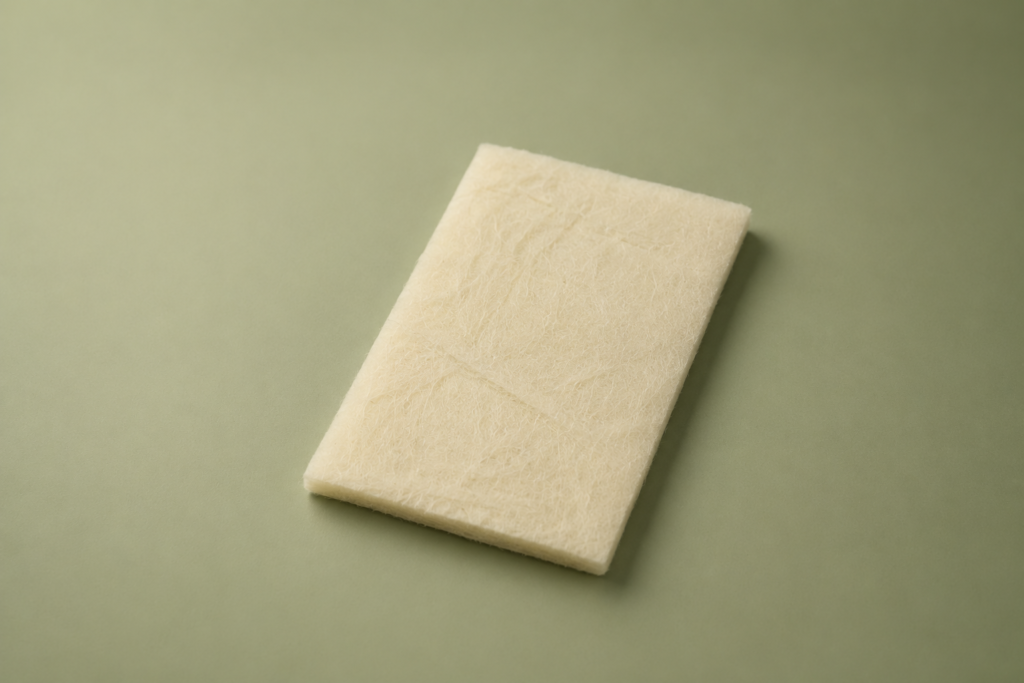
Chitosan wash and ice for seafood, poultry, meat and produce. Extends shelf life at the point spoilage starts.
FreshXtend — Active Packaging
Antimicrobial trays and lidding films that keep protecting product all the way to the shelf.
HarvestXtend / CropXtend
Biopesticide and biofertiliser for growers — protection and nutrition in a single spray.
Marine Protein / ImmunoFeed
Functional aquafeed and pet food additives from the same upcycled raw material.
FreshXtend — Processing Aids
A wash and an ice that do more than clean and cool.
FreshXtend Processing Aids are a bio-based antimicrobial system in two formats. Chitosan Wash is applied during your standard wash step. Chitosan Ice is used through transport and storage, releasing antimicrobial protection continuously as it melts. Both extend shelf life without a single change to your equipment.
Problems it solves
- Spoilage losses in seafood processing — industry average 20–35% waste pre-retail
- Reliance on chlorine and chemical washes increasingly restricted by EU/UK regulation
- Cold-chain interruptions causing accelerated spoilage on fresh and chilled foods
- Retailer pressure for clean-label, preservative-free product
How it works
- Chitosan Wash forms a thin protective film on the product surface, slowing recontamination
- Chitosan Ice delivers sustained antimicrobial protection throughout the cold chain as it melts
- Both are classified as processing aids — no label declaration required
- Works across fresh fish, shellfish, poultry and cut produce
Why it’s better
- No CAPEX — drop-in to existing wash lines and ice machines
- Replaces synthetic chemical washes — clean label, no preservative declaration
- Reduces wastage-related margin loss across processing, transit and retail
- Supports faster regulatory classification and market access
What it means for your numbers
For a seafood processor handling 1,000 tonnes a year of fresh fish: Chitosan Wash treatment costs around $80,000 annually. Spoilage reduction from 20–35% down to 5–10% saves $400,000–$1,000,000 in product that would otherwise be lost, plus $120,000–$400,000 recovered from reduced markdowns. Net benefit: 7–20x return on treatment spend.
FreshXtend — Active Packaging
Packaging that protects, not just contains.
FreshXtend Packaging integrates chitosan’s antimicrobial and barrier properties directly into food-contact materials — trays, lidding films and fruit stickers. Instead of passively holding product, the packaging itself keeps working throughout distribution.
Problems it solves
- Passive packaging offers no antimicrobial protection — spoilage begins at the food–package interface
- EU packaging regulation and retailer sustainability mandates driving demand for bio-based content
- Weight loss and dehydration during extended retail display reduces product value
- Mould and fungal contamination on cut produce and fresh protein driving high retail waste rates
How it works
- Chitosan-active trays — antimicrobial activity throughout the tray material, thermoformed on existing lines
- Chitosan lidding films — a 3-layer structure with an active chitosan middle layer for microbial inhibition and oxygen barrier
- Drop-in compatible with existing lamination, co-extrusion and thermoforming equipment
Why it’s better
- Extended shelf life reduces retailer markdown losses and improves sell-through
- Reduces or eliminates the need for in-pack preservative sachets
- Bio-based polymer content supports EU packaging compliance and sustainability targets
- One platform, multiple SKUs — customisable for meat, seafood, dairy and produce
What it means for your numbers
For a fresh produce packer shipping 500 tonnes a year of citrus: the active lidding film upcharge is around $20,000 a year. Weight-loss reduction of ~40% saves $144,000 in product that would otherwise shrink away, plus $60,000–$120,000 recovered from reduced markdowns. Net benefit: 12–18x return on the packaging upcharge.
HarvestXtend / CropXtend — Pre-Harvest Inputs
Feed the plant, defend the crop.
HarvestXtend combines organic fertilisation and biopesticide action in a single system, derived from shrimp shell waste. It’s available as biofertiliser and biopesticide, applied via foliar spray, soil drench or seed treatment — covering the full crop cycle from soil preparation to post-harvest protection.
Problems it solves
- Price volatility and supply disruption of synthetic nitrogen fertilisers
- Increasing regulatory restrictions on synthetic pesticides in EU and export markets
- Post-harvest crop losses to fungal decay, mould and weight loss
- Demand for organic-certification-compliant inputs with proven efficacy
How it works
- Delivers organic nitrogen, phosphorus, potassium, calcium and amino acids while improving soil structure
- Activates the plant’s own defence enzymes, building resistance to fungal and bacterial infection
- Forms a physical film barrier on plant surfaces that inhibits spore adhesion
- Post-harvest: reduces moisture loss, delays ripening, suppresses microbial growth
Why it’s better
- Organic certification compliant — natural origin, biodegradable, non-toxic
- Yield improvements of 10–42% across more than 20 commercial crops
- Stable input cost — not linked to fossil fuel or fertiliser trade volatility
- Supports ESG and sustainability reporting for export-market buyers
What it means for your numbers
For a 100-hectare export strawberry operation (farm-gate price $2.50/kg, yield 30t/ha): HarvestXtend costs around $6,000 a season. A 30% yield uplift on a 3,000-tonne base adds roughly $2.25M in revenue, and post-harvest spoilage reduction saves a further $120,000–$195,000. Net benefit: often 20x input cost or more even before an organic premium is applied.
Marine Protein / ImmunoFeed — Aquafeed & Pet Food
Three functional ingredients. One raw material.
ImmunoFeed is derived from shrimp shell biomass, delivering three co-extracted fractions in one platform: chitosan biopolymer, marine protein, and astaxanthin pigment. Available air-dried for commodity feed or freeze-dried for premium pet food and aquaculture — replacing what would otherwise be three to five separate additive SKUs.
Problems it solves
- Regulatory pressure to reduce antibiotic use in livestock and aquaculture production
- Fishmeal supply constraints and price volatility
- Poor gut health and microbial imbalance reducing feed conversion ratios
- Consumer demand for natural, clean-label, sustainably sourced pet food ingredients
How it works
- Chitosan fraction — modulates the gut microbiome and coats feed pellets to reduce nutrient leaching
- Protein fraction — a favourable amino acid profile for partial fishmeal replacement and improved palatability
- Astaxanthin fraction — a natural antioxidant supporting immune function and natural pigmentation
Why it’s better
- Partial fishmeal replacement reduces feed cost and supply-chain exposure
- Improved feed conversion ratio via better gut health and nutrient absorption
- Reduced antibiotic inclusion supports farm certification and export access
- Clean-label, upcycled marine origin story for premium pet food positioning
What it means for your numbers
For an aquaculture producer running 1,000 tonnes a year of salmon: ImmunoFeed inclusion costs $18,000–$60,000 a year. Feed conversion improvements of 5–10% save $54,000–$108,000 in feed cost, partial fishmeal replacement saves a further $36,000–$72,000, and natural astaxanthin in place of synthetic saves around $115,000. Net benefit: 4–8x return on input cost.